
Optimal Timing for Land Clearing
Land clearing is most effective when performed during specific times of the year to optimize safety, efficiency, and results. Timing can influence the ease of removal, cost, and environmental impact.
Spring offers moderate weather conditions, making it suitable for land clearing projects. Soil moisture levels are typically manageable, and vegetation is beginning to grow, which can assist in natural erosion control.
Summer provides longer daylight hours and warmer temperatures, allowing for extended work schedules. However, high temperatures may require additional precautions for safety and equipment performance.
Fall is ideal due to cooler temperatures and reduced plant growth. It allows for clearing before winter, minimizing delays caused by weather or frozen ground.
Winter can be suitable in regions with milder climates. Frozen ground can facilitate easier removal of debris and roots, but snow and cold weather may hinder access and work conditions.
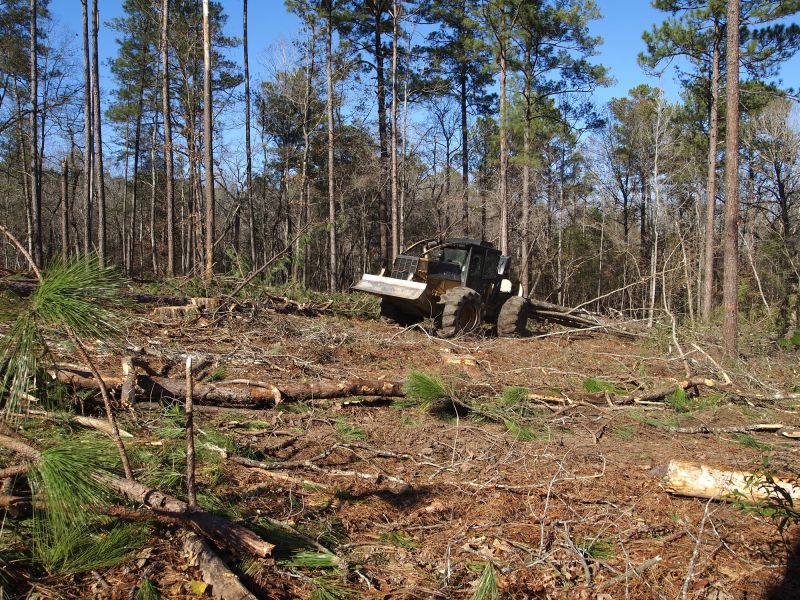
Heavy machinery in action during spring land clearing.
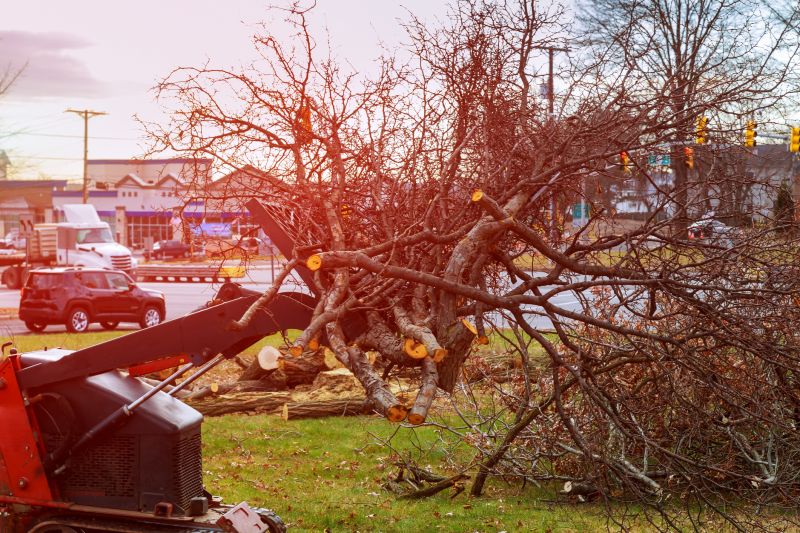
Workers utilizing machinery in summer conditions.
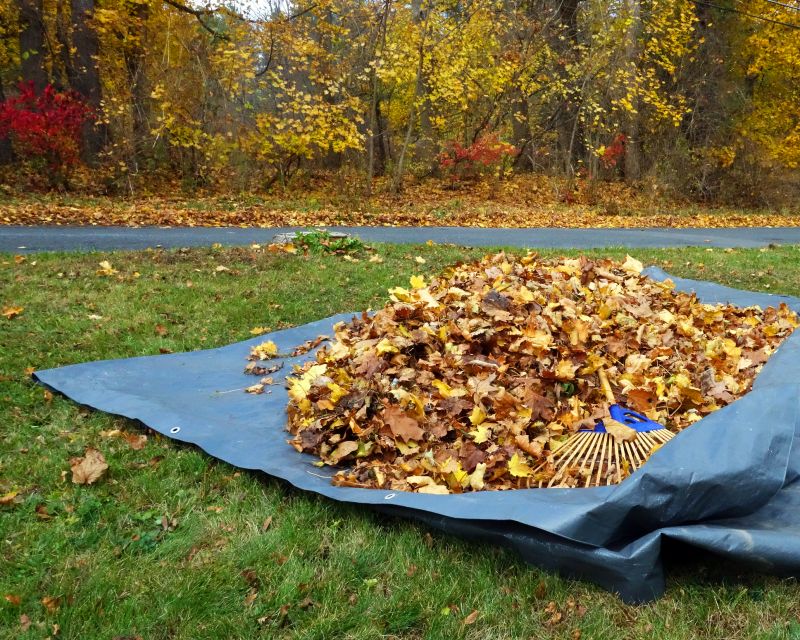
Land being cleared in autumn with fallen leaves.
| Season | Optimal Conditions |
|---|---|
| Spring | Moderate weather, manageable soil moisture |
| Summer | Longer daylight, warmer temperatures |
| Fall | Cooler temperatures, before winter |
| Winter | Frozen ground, less vegetation growth |
Land clearing involves removing trees, brush, and debris to prepare land for development, agriculture, or landscaping. Proper timing ensures minimal soil disturbance, reduces erosion risk, and improves operational efficiency. The process typically includes cutting, grinding, and debris removal, often requiring specialized equipment and planning based on seasonal conditions.
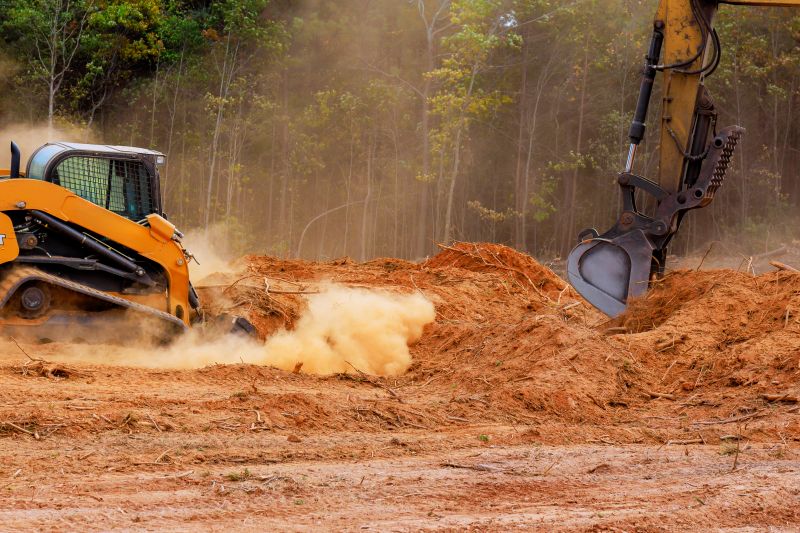
Heavy equipment used in land clearing projects.
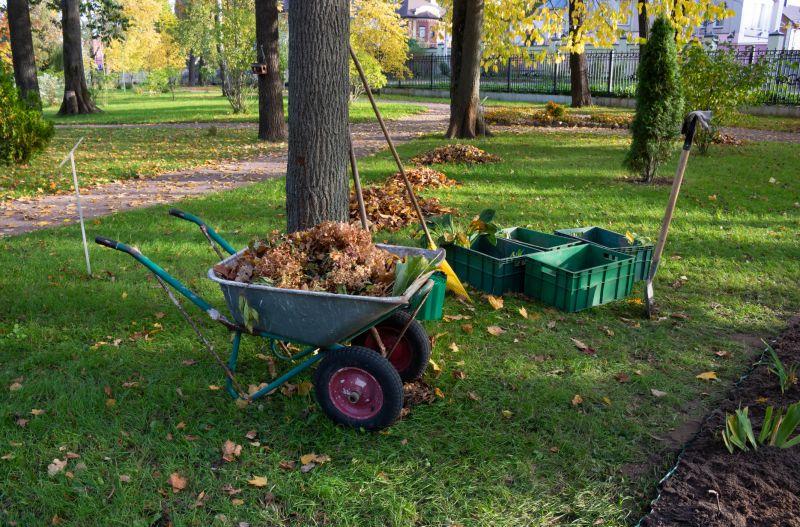
Clearing brush and trees efficiently.
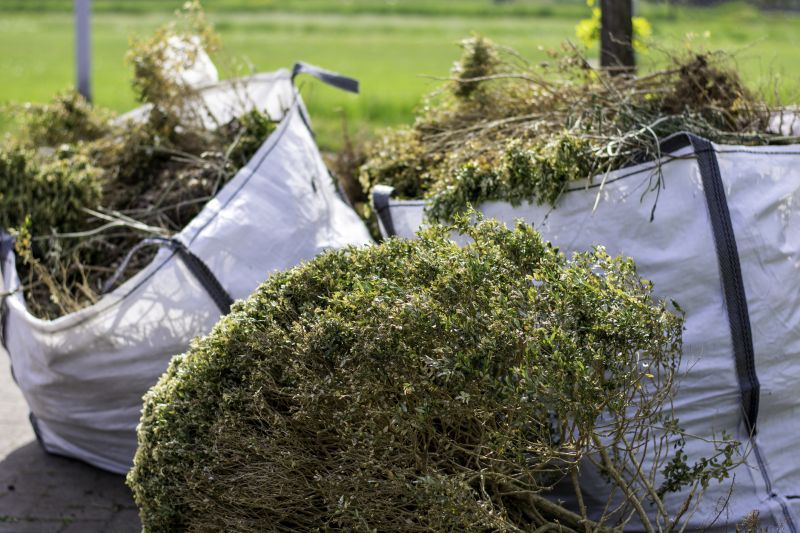
Removing and managing cleared debris.
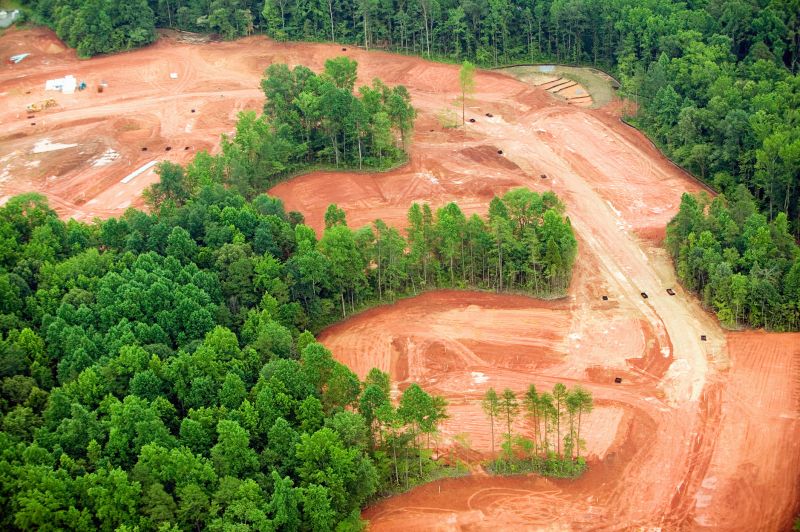
Land ready for construction or planting.
Interested in land clearing services? Filling out the contact form can provide more information and help schedule an assessment tailored to specific land conditions and project goals.